Welcome to our Team
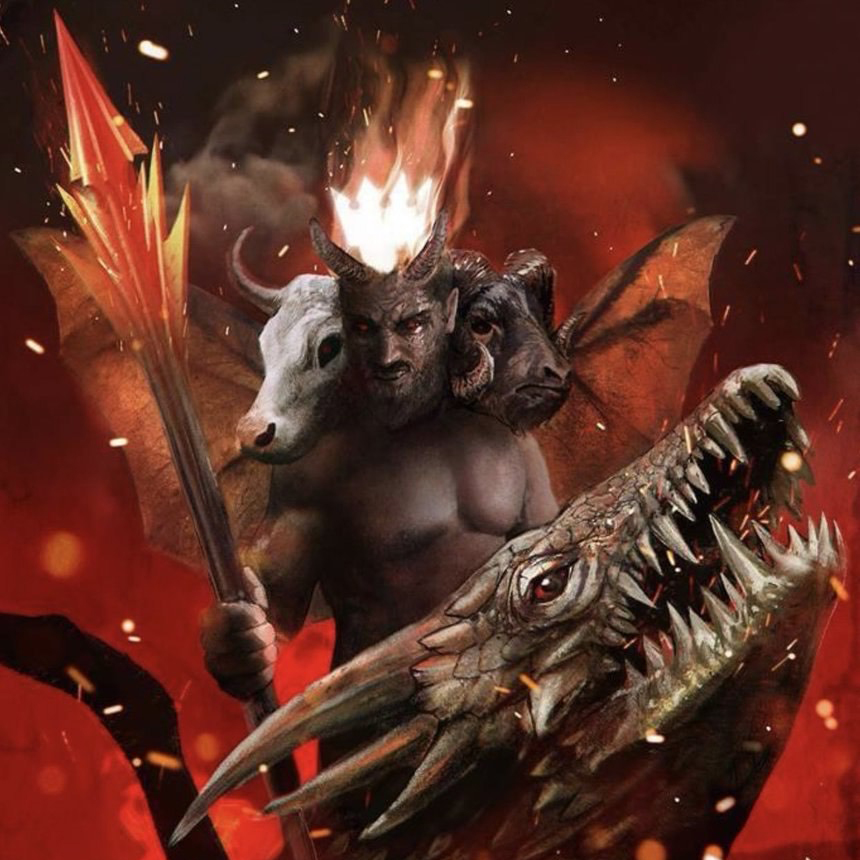
Asmoday
Asmodeus (/ˌæzməˈdiːəs/; Ancient Greek: Ἀσμοδαῖος, Asmodaios) or Ashmedai (/ˈæʃmɪˌdaɪ/; Hebrew: אַשְמְדּאָי, ʾAšmədʾāy), also Asmodevs, Ashema Deva or Amias (see below for other variations), is a prince of demons,[1] or in Judeo-Islamic lore the king of the earthly spirits (shedim/jinn),[2][3] mostly known from the deuterocanonical Book of Tobit, in which he is the primary antagonist.[4] In Peter Binsfeld's classification of demons, Asmodeus represents lust. The demon is also mentioned in some Talmudic legends; for instance, in the story of the construction of the Temple of Solomon.
The name Asmodai is believed to derive from Avestan language *aēšma-daēva, where aēšma means "wrath", and daēva signifies "demon". While the daēva Aēšma is thus Zoroastrianism's demon of wrath and is also well-attested as such, the compound aēšma-daēva is not attested in scripture. It is nonetheless likely that such a form did exist, and that the Book of Tobit's "Asmodaios" (Ἀσμοδαῖος) and the Talmud's "Ashmedai" (אשמדאי) reflect it.[5] In the Zoroastrian and Middle Persian demonology, there did exist the conjuncted form khashm-dev, where the word dev was the same as daeva.[6]